Single camera production is very much how it sounds; it is a production of a media project like a movie, television program or even a music video which is filmed with a single camera. This post will explain the different parts of it and the difference between single camera and multi-camera productions.
Single Camera techniques
Camera
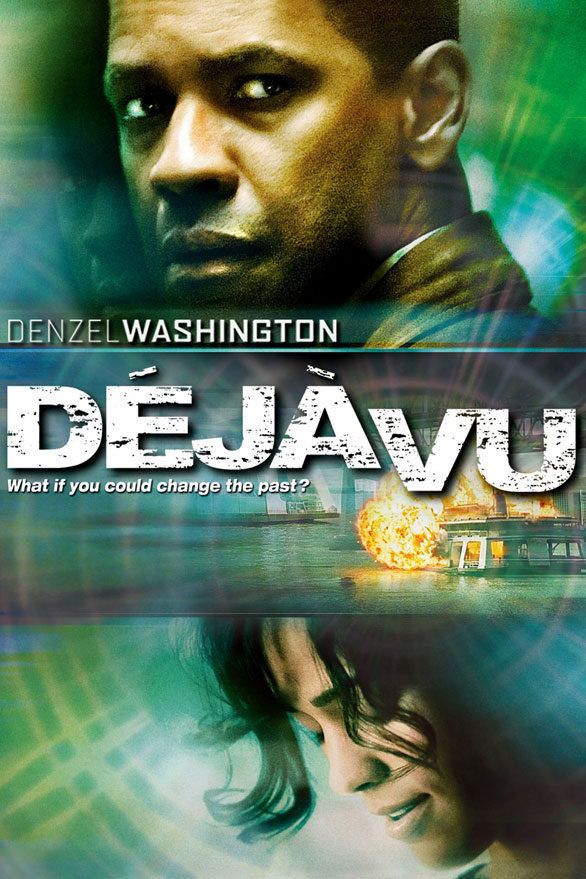 In a single camera production where a single camera is used to capture a shot and put the audience in the moment of the scene. This is mostly used in film because the director likes to have control of the camera and what it's capturing in the scene. This is usually more expensive and takes longer but that is a directors preference. Some directors of film like to used multiple cameras when film. Tony Scott liked to used sometimes up to five cameras when film a scene. In his 2006 film "DeJa Vu" he had more than than three cameras rolling at one time for every scene. This is not commonly used in most films; if you take a director like Quentin Tarantino, he only ever uses one camera at one time except when he's filming a car crash or an explosion. This has only happened three times out of all of his films.
Lighting
When setting up your single camera production, you have to light all of your shots; every time you set up the shot, you have to get the lighting to match the other angles and the time of the day. This takes a lot of time and if you're filming with natural light, you have to adjust the virtual lighting to keep the light the same. While filming a project of my own called "The Concrete Jungle" (2013) we had to use additional lighting during the opening scene as it was set in the morning and by halfway through the shoot it had become dark. We had to enlist the help of lighting to give the impression of day time.
Sound
When filming for a single camera production, they will always have a microphone recording all the footage and never using a microphone on the camera to get the sound. They do this because when they put it together they can use one piece of sound over several bits of footage so different takes will seem to stream together seamlessly. An example of this can be found in the scene above from "Inglorious Basterds" (2009), in which editor Sally Menke had to keep continuity and sound in check in order to keep the scene flowing.
Editing
 The editing process is one of the hardest parts of a single camera production, trying to find the best bits of footage and putting them together in a way that keeps continuity and also helps to stream the sound together. This is evident in the bit of footage you have just seen above.
Single camera genres and formats
Single camera productions are usually dependent on the director but sometimes they can come hand in hand with genres. A lot of the time, action movies will require the use of more than one camera to film the action, otherwise it will cost a great deal to film it all over again, while if you take a genre like comedy in the sense of film, usually that is a single camera production simply because of the necessary need for single line delivery; this is the same with, crime films, dramas, and so on. A single camera is usual used in low budget productions as well; in the 1992 film Bad Lieutenant staring Harvey Kietel, only one camera was used at any one time and only a maximum of two takes was allowed for coverage.
Multi-camera techniques
Camera
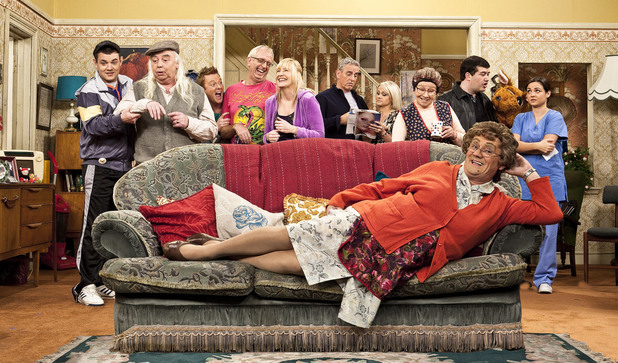
In a muti-camera production program like "The Big Bang Theory" or "Mr's Brown's Boy's" many camera's are used to cover the scene from many different angles, which makes filming slightly easier in the sense that you only need to set up the shot once and you don't need to take many different takes of the same scene.
Lighting
Lighting wise in a show like "Friends" they more or less always film the scenes on sets, so the lighting is always set up in the same place so the scenes are always lit the same and all they need to do to adjust the time of day is lower or rise the level of lighting.

Sound
When shooting in a multicam production there are very little added in sounds; most of the sounds you hear are from the microphones recording the actual scene as it is. Sometimes in a show like "How I met your mother" sound is added over the top, like the episode with two characters sword fighting.

Editing
The editing for a multi-camera production is usually fairly straight forward because more than one camera has covered a scene so when cutting between two angles, you don't need to be worrying about editing the sound because both angles are using the same audio. This is used mostly in multi-cam production soaps like "Coronation Street".
Multi-camera genres and formats
The genres that usually use the multi-camera techniques are sit-coms and soaps; this is because when making sit-coms and soaps they can last for a long time and soaps are usually running all week and can run for many years, like "Eastenders". Because so many episodes have to be made in plenty of time, having sets, lighting and cameras already set up and less editing required, it takes a lot less time to produce a single episode and in the case of programs like "Hollyoaks" you can make a single long episode that can be cut into multiple.

Merit. Erratic. For camera a good example well explained. Lighting - no visual to explain what you mean makes it rather limited. Sound - the explanation does not give specifc analysis of the sound in the clip you have chosen ('Inglorious Basterds'). Editing is very thin and needs a lot more. The rest is OK but not detailed enough for distinction.
ReplyDeleteSean
This is still not detailed enough for a distinction. To get an idea of what to aim for look here: http://ohosierbtec.blogspot.co.uk/2014/01/single-camera-techniques.html
ReplyDelete